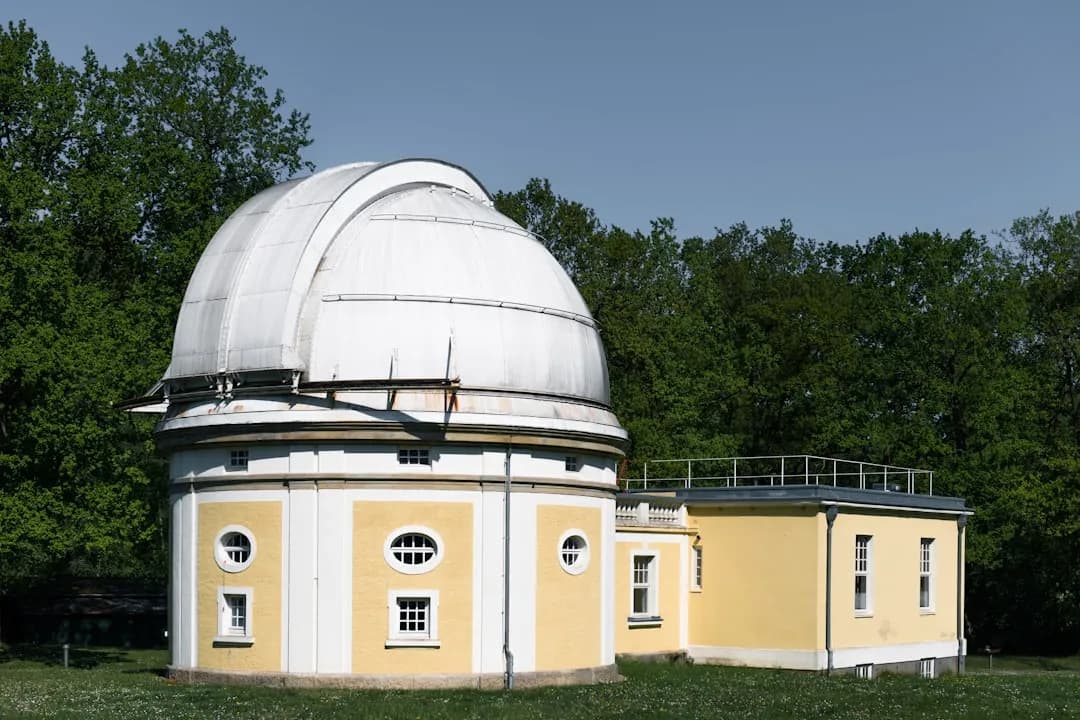
What to Expect
Most planetarium shows run 45-60 minutes and project a full-dome simulation of the night sky onto a domed ceiling. You sit in reclining seats looking straight up. Shows are either live narrated or pre-recorded films about space, the solar system, or specific astronomical events. Most science museums and observatories have one.
What You'll Experience:
- ✦Full-dome projection of the night sky — genuinely impressive visuals
- ✦Reclining seats designed for looking straight up
- ✦A mix of educational narration and pure spectacle
- ✦Often followed by telescope viewing if it's a clear night
- ✦Small, intimate spaces — usually 50-150 seats at most
The Atmosphere
Dark, quiet, a little cinematic. You're both looking at the same thing, and there's a natural sense of scale and wonder that comes with staring up at a simulated universe. It's one of those dates that gets quieter as it goes on — in a comfortable way, not an awkward one.
Types to Try
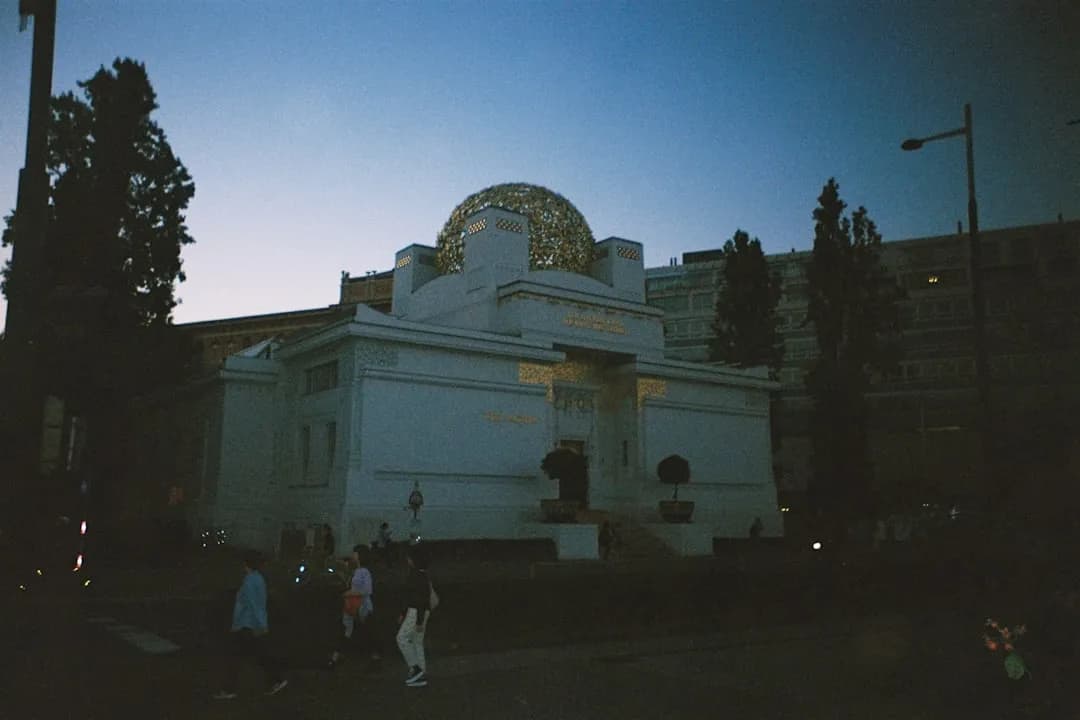
Planetariums vary a lot in what they offer. Here are different ways to approach the date.
Museum planetarium
Most natural history and science museums have a planetarium inside. You can pair the show with a wander through the museum exhibits — space stuff, obviously, but also whatever else the museum has. Makes the date last longer and gives you more to talk about. Museum admission sometimes covers the planetarium.
Observatory night
Some observatories combine a planetarium show with actual telescope viewing afterward. If it's a clear night, you get to look through a real telescope at the moon, planets, or whatever's visible. The staff usually explain what you're looking at. It takes longer but it's a proper experience.
Laser or music show
Many planetariums run evening "laser shows" that project light displays set to music — rock classics, pop, ambient stuff. Less educational, more of a spectacle. Usually a bit louder and more fun than the standard show. Good if you want the visual experience without the astronomy lesson.
Themed seasonal show
Planetariums often run special programs tied to events — the holidays, a meteor shower, an upcoming eclipse. These tend to sell out, so book ahead. They feel more like an event than a regular visit and give you a specific reason to go right now rather than someday.
How to pick the right show
Not all planetarium shows are the same. The program type, venue quality, and whether extras like telescope viewing are available all affect how the date feels.
Look For:
- ✓Check what programs are showing before you go — the topic matters
- ✓Look for shows with reclining seats rather than fixed upright chairs
- ✓See if there's a pre or post-show activity like telescope viewing or an exhibit
- ✓Smaller venues feel more intimate; big science museum domes are more impressive visually
- ✓Read reviews — some shows are aimed at kids, which isn't what you're going for
⚠ Red Flags:
- •Shows primarily designed for school groups or young children
- •Old projection technology that makes the stars look pixelated
- •No reclining seats — neck strain kills the experience fast
- •Venues with only one show option that runs every hour like clockwork
Booking Tips
Evening shows are better for the atmosphere — you're going to see stars, might as well do it when it's dark outside. Weekend shows fill up, especially if there's a special program. Buy tickets online a few days ahead.
Booking Tips:
- →Book specific seats online if the venue lets you choose — middle rows, center
- →Check if there's a special event or program this month before picking a date
- →Arrive early so you're not fumbling in the dark trying to find your seats
💡 Budget Hacks:
- •Museum membership often covers planetarium admission — worth it if you'd visit more than twice
- •Matinee shows are usually cheaper than evening ones
- •Some planetariums have a free or pay-what-you-wish day each month
What to Wear & Bring
What to Wear:
Comfortable, casual. You'll be sitting in a reclining chair for an hour, so nothing restrictive. It runs cool inside most planetariums — bring a light layer if you tend to get cold.
Bring:
- ✦Tickets (digital is fine)
- ✦A light jacket or layer
- ✦Your curiosity — shows are more interesting when you actually engage with them
Leave at Home:
- •Food or drinks (most venues don't allow them inside)
- •Your phone out during the show — the light ruins everyone's experience
Cost & Duration
Typical Duration
1-2 hours including the show
Shows run 45-60 minutes. If there's telescope viewing afterward, that adds 30-45 minutes depending on the queue. Budget an extra hour if you're also wandering the museum.
Cost Notes
Entry prices vary widely. Standalone planetariums are usually cheaper; science museum planetariums sometimes require separate admission for the dome. Special event shows cost more.
General admission planetarium show at a science museum or standalone venue. Often cheaper on weeknights.
Evening show plus museum admission, optional telescope viewing, or a special event program. Add dinner nearby and it's a proper night out.
Pro Tips
Look things up ahead of time. Having some context makes the show more interesting — you spend less time confused and more time just enjoying what you're seeing.
Let yourself be impressed. It's easy to sit there being too cool for a planetarium. Don't do that.
If telescope viewing is available afterward, stay for it. Seeing the actual moon or Saturn through a real telescope is different from any simulation.
You Might Also Like
Take the star-watching outside with blankets and a dark sky.
If you liked the museum side of the planetarium, do a full museum date.
Another seated experience that's more about atmosphere than conversation.
Another quiet, slow-paced date with a lot to look at together.
Can't Decide?
Try our random date idea generator and discover something unexpected for your next date night.
Try the Random Date Ideas Generator