What Makes This Special
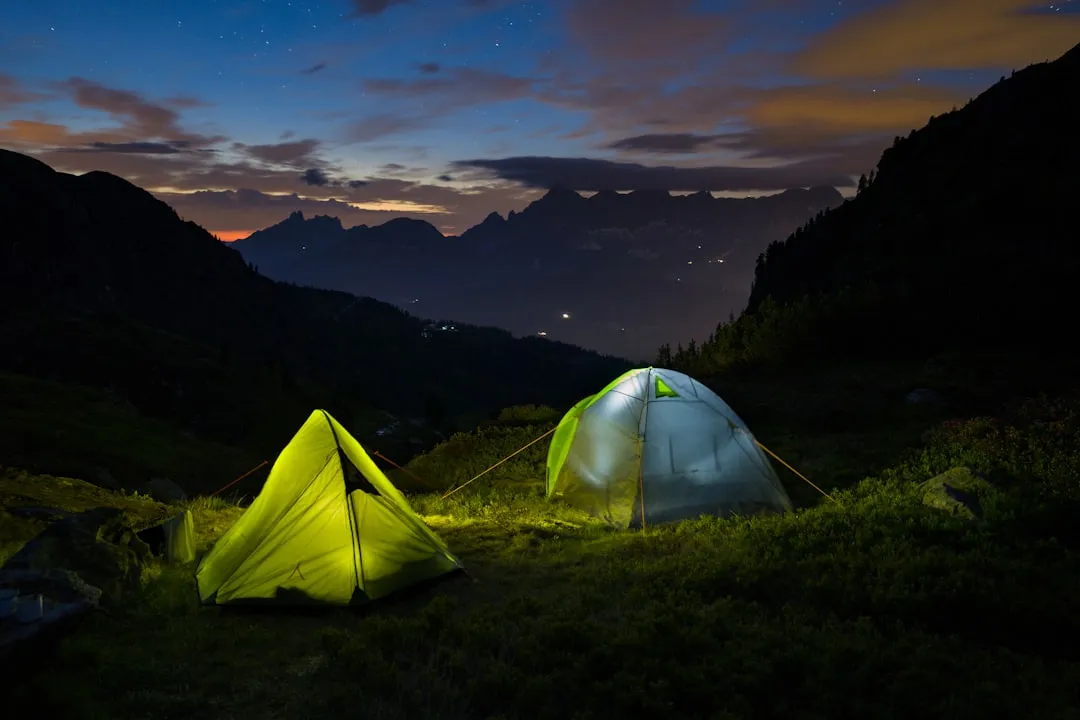
Most dates happen in familiar, easy environments. Camping puts you both somewhere a little outside your comfort zone together—figuring out a tent, learning how someone handles a situation that doesn't go perfectly, watching each other be capable (or entertainingly incapable) of practical things. There's something bonding about that, in a way that dinner reservations just aren't.
There's also a pace to it. You're not scheduling the next thing. You wake up when the light comes in. You eat when you're hungry. You stay by the fire as long as you feel like staying. That kind of open time is genuinely rare, and it makes for different conversations than you'd have otherwise.
Perfect for:
- ✦Couples who want extended uninterrupted time together away from daily life
- ✦Partners who are both outdoorsy or curious to try it
- ✦Anyone who wants a date that feels like an actual adventure
- ✦People who want something low-cost but genuinely memorable
Difficulty & Best Seasons
Difficulty
Easy to ModerateBest Seasons
Physical Requirements
Minimal for car camping. Backcountry or hike-in sites require more fitness and preparation.
Route Options
Camping covers a pretty wide range of experiences—pick the version that matches what you're both actually up for.
Car Camping at a Campground
The easiest entry point. You drive to a designated campsite, set up next to your car, and use campground facilities—bathrooms, sometimes showers, usually a fire ring and picnic table already in place. Low logistics, comfortable enough, and a good first trip together if either of you hasn't camped much before.
Backcountry or Hike-In Site
For couples who want a real wilderness experience—you hike in, set up somewhere you actually had to earn, and have far fewer people around. Requires more planning and physical preparation but the payoff is solitude and scenery that car camping can't match. Start with a shorter hike-in distance if you're not sure about the gear situation.
Glamping
Pre-set canvas tents, platform beds, real bedding, sometimes a fire already laid for you. You get the outdoor setting and atmosphere without the setup. Good for someone who wants to try camping but isn't sure about the roughing-it part yet. Usually more expensive than regular camping but can be genuinely nice.
Beach or Lakeside Camping
Campsites next to water add a whole other element—swimming, kayaking if there are rentals, sunset from the water's edge, falling asleep to the sound of waves. Coastal and lakeside spots book out fast in summer. Reserve several months ahead for the good ones.
Gear & Preparation
Essential Gear
- ✦Tent (practice setting it up at home first)
- ✦Sleeping bags rated for the expected overnight temperature
- ✦Sleeping pads or inflatable mattresses—don't skip these
- ✦Headlamps with fresh batteries
- ✦Camp stove or gear for cooking over a fire
- ✦Food and water, or water filtration if backcountry
- ✦First aid kit
- ✦Weather-appropriate clothing including layers for cold nights
Nice to Have
- ✦Camp chairs and a small table
- ✦Hammock if the site has trees
- ✦Battery-powered lantern for ambient light at the campsite
- ✦Portable speaker for low-key background music
- ✦Star map app or actual star chart
- ✦Good coffee setup—morning camp coffee is its own thing
Preparation Tips
- →Set up your tent in the backyard or living room before you go so you're not figuring it out in the dark
- →Reserve your campsite well in advance—popular spots fill months ahead
- →Check the weather forecast and pack for it, not for what you hope it'll be
- →Prep and partially cook any complex meals at home to simplify camp cooking
- →Tell someone where you're going if it's a backcountry trip
Weather & Safety
Weather Considerations
- ☀Nights are significantly colder than days at elevation—sleeping bag temperature rating matters
- ☀Rain gear is worth bringing even if the forecast looks clear
- ☀High wind can make tent setup and fire-building difficult; stake your tent well
- ☀Summer desert camping can be dangerously hot—camp at altitude or near water
⚠ Safety Tips
- •Store food in a bear canister or hang it away from camp in bear country
- •Know the rules about fire in your area—fire bans are common in dry seasons
- •Don't drink untreated water from streams without filtering it
- •Let the site host or a friend know your plans and expected return time
Getting There
Directions
Most car campgrounds are well-signed from main roads. Download offline maps for the area before you leave—cell coverage is often nonexistent near campgrounds.
Parking
Car camping sites have dedicated parking directly at or beside your site. Day-use lots are separate. Hike-in sites use a trailhead parking area.
Accessibility
Campground accessibility varies widely. Many have paved or gravel sites suitable for most people. Check the specific campground's accessibility notes when booking.
Local Tips
Arrive early enough in the day to set up camp in daylight. Rushing to set up a tent after dark is a quick way to start a trip in a bad mood.
A good campfire takes time. Start it before you're hungry, not after—camp cooking over a proper fire is worth waiting for.
Bring more coffee and snacks than you think you need. Camping makes you hungrier than you expect, and there's no popping out to a store.
Go somewhere dark enough to actually see stars. Light pollution ruins half of what makes camping at night worth it. Check a light pollution map before booking.
Don't over-schedule the days. The point of camping together is the unstructured time. One hike or activity per day is plenty—leave room to just exist at the campsite.
Cost Breakdown
Campsite fees plus food. If you already own basic gear, a camping trip is one of the cheapest multi-day dates you can do.
Glamping setup or a premium waterfront site, plus gear rentals if needed and nicer food. Still far cheaper than a hotel trip with similar time away.
You Might Also Like
Can't Decide?
Try our random date idea generator and discover something unexpected for your next date night.
Try the Random Date Ideas Generator